Why can the same question get two different answers?
Why AI answers vary, and which differences to check.
Same question, new answer
You asked twice. You got two different answers.
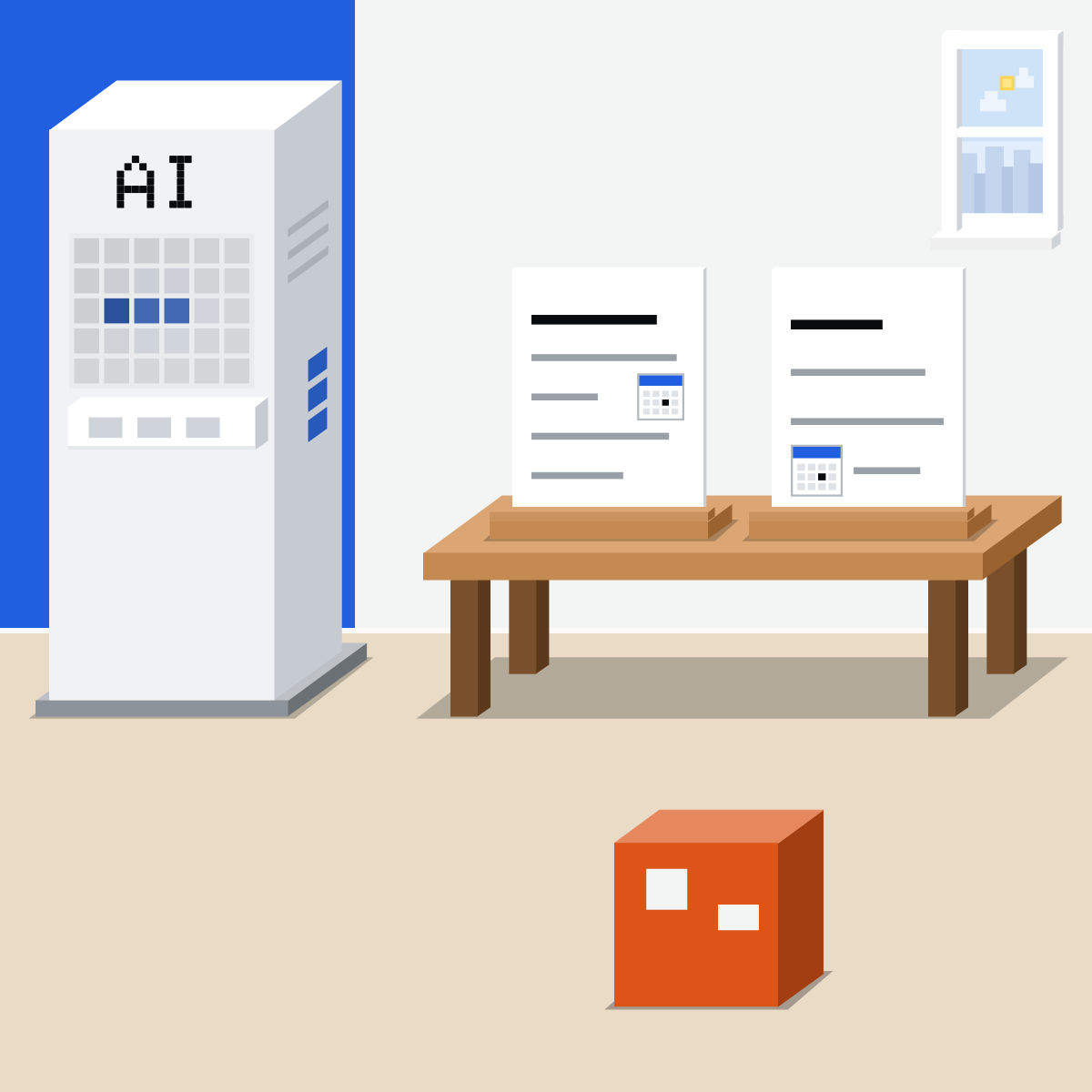
How two answers happen
The AI's three steps, then yours.
- It scores likely next words
- It spins a weighted wheel
- Each ask spins again
- You compare the facts
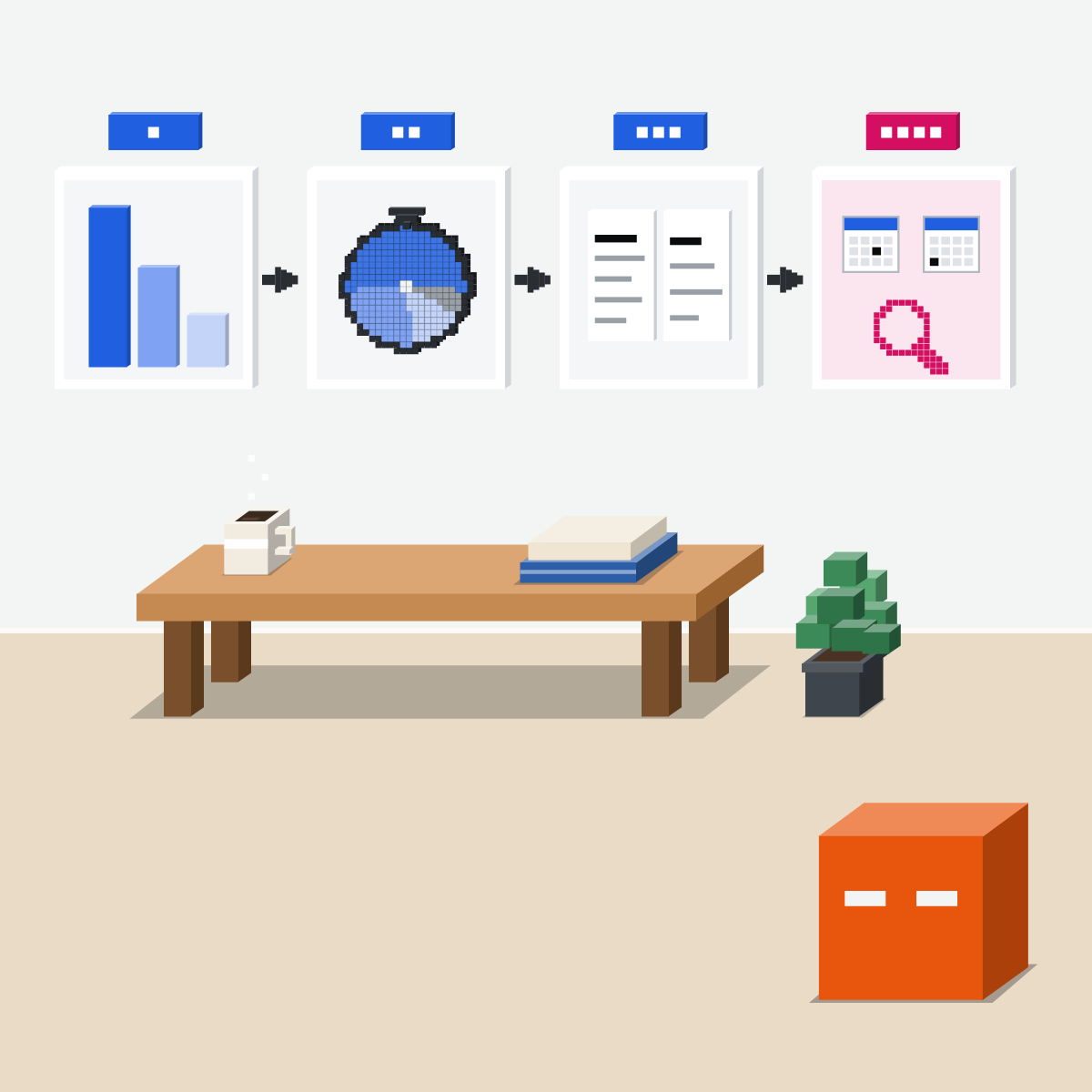
Bigger slice, more likely
For each next word, it spins a weighted wheel. Likely words usually win, but not always.
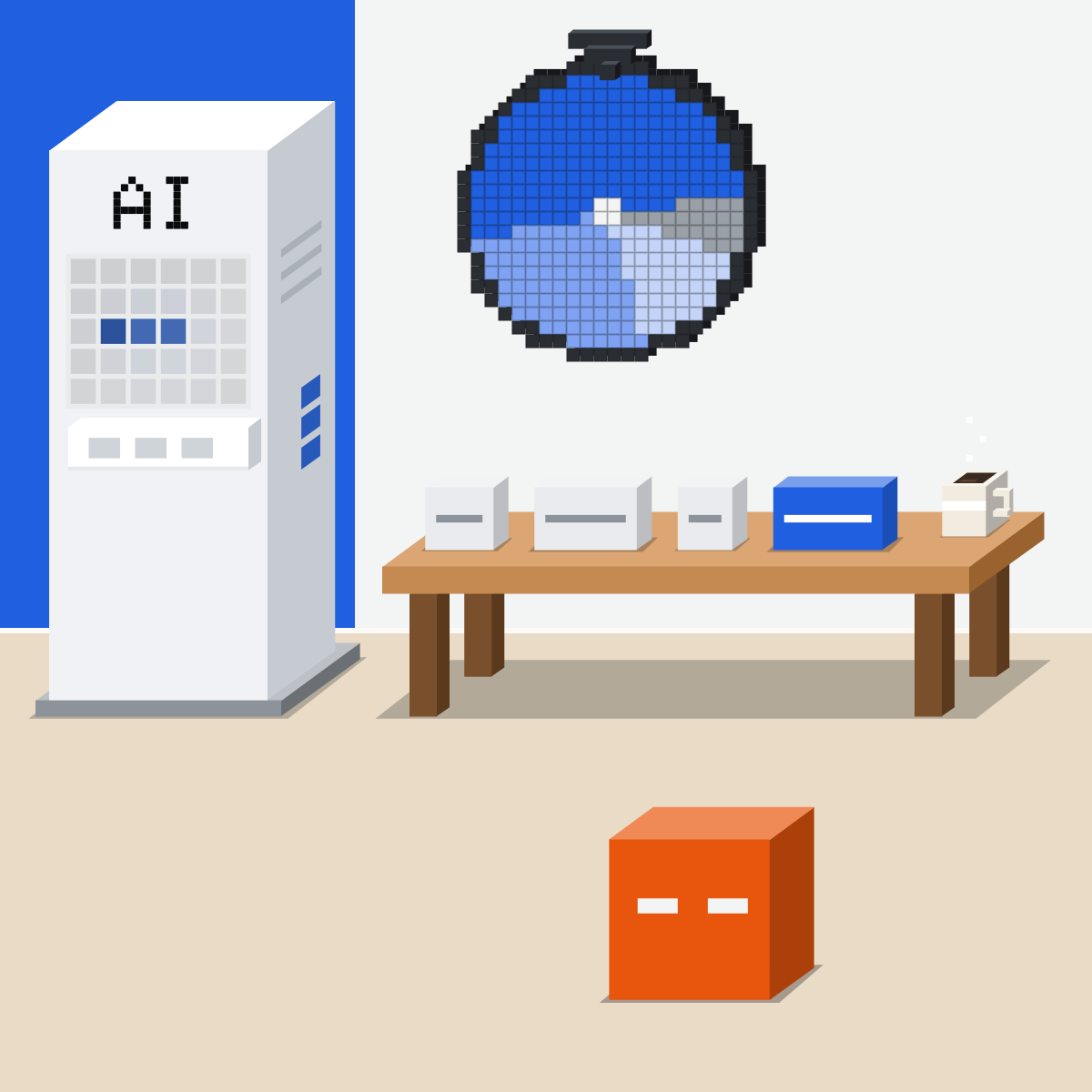
Ask again, spin again
Ask again and every word spins again. One new word can send the rest elsewhere.
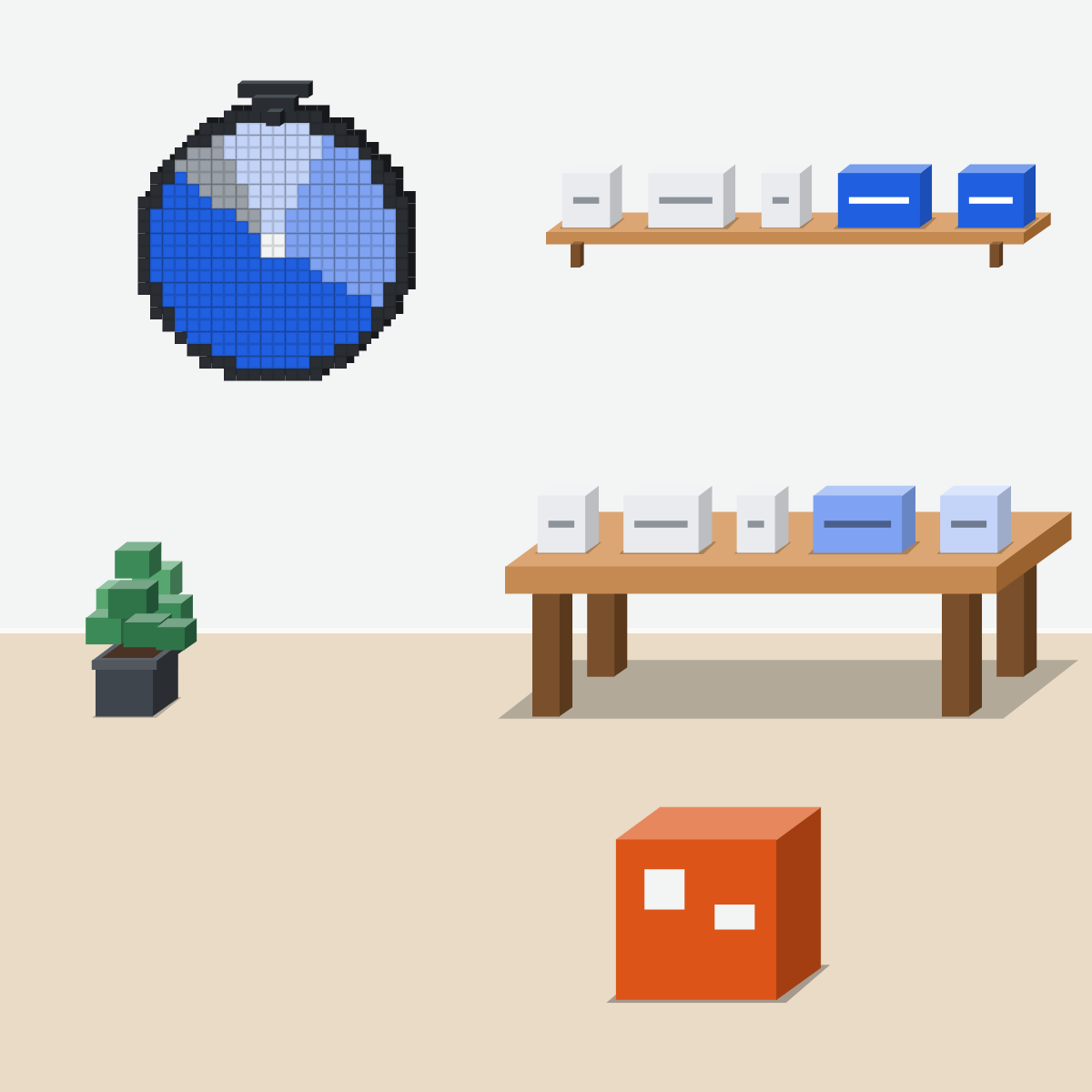
Different words are fine
New wording is normal, even handy: ask twice, keep the draft you like. Facts should match.

A changing fact is a flag
A date or number that changes between asks may be a guess. Check it outside the chat.

Different words: fine. Different facts: check.
Expect new wording. When a fact moves, check it before you use it.

Ask it twice
Use a public topic.
- Open two fresh chats (tabs above).2 min
- Paste the request into both.1 min
- Mark what changed: words or facts.4 min
- Check any changed fact on a trusted page.3 min
Your request
In three short sentences, explain to a new colleague what a leap year is. Name the month that gets the extra day, and how many days that month then has.
Good looks likeNew wording, same facts. Any changed fact, checked.
In your assistant · as of Oct 2026 · Claude, ChatGPT, GeminiAsk twice, fairly
Use a fresh chat each time, so memory can't tip it. Menus move often.
- CheckFresh chat each time
- CheckSame request, pasted
- CheckCompare the facts
Try it on public topics. Never paste private or client details to test it.
 Claude
Calls a clean chat an incognito chat
In a new chat, the ghost icon
Upper right. Kept out of your chat history and memory. Every plan, outside projects.
Switch memory off for one chat, before your first message.
Paste the same request
In the new Claude, branching from an earlier point isn't available.
The new Claude is rolling out to Pro and Max first.
 ChatGPT
Calls it a temporary chat
Choose before your first message: no memory, custom instructions or plugins.
The three dots under the answer
OpenAI's retry menu for Thinking or Pro models: regenerate the answer.
On the web: a new chat from that point, the original kept.
No retry menu? Paste the same request into a fresh chat.
 Gemini
Calls it Regenerate
Temporary chat, next to New chat
Top left. Personal Google accounts only.
Below the latest answer. The arrows switch between versions.
Above the latest answer, where offered: other drafts to compare.
Regenerate works on the most recent answer only.
Quick check · three questionsDid it stick?
1You ask for a team update twice. The two drafts are worded differently. What does that tell you?
The answer: B Each next word comes from a weighted spin, so wording varies. That alone says nothing is wrong.2Two fresh chats give two different years for when a public rule took effect. What now?
The answer: C A fact that changes between asks may be a guess. Another ask is another spin, not a check.3Both chats give the same figure for a public company, and it goes in your report. Now what?
The answer: A Two matching answers can both be wrong, and OpenAI says citations can be incorrect. Find the figure at the source.
The dial has a nameSide note
Matching isn't proofSide note
Why a fresh chatSide note
Sources, checked 19 Oct 2026Source
Product details as of Oct 2026, each checked on the vendor's own page on 19 Oct 2026. Recheck by 19 Nov 2026. The examples in the pictures are made up for this lesson.
- Google, Learn about generative AI (models are "given flexibility to pick probable next words that match patterns they get from training"; "This flexibility lets them generate creative responses")
- Anthropic, Glossary (models "pretrained to predict the next word, given the previous context"; temperature: "multiple variations in phrasing"; "identical inputs may produce different outputs across API calls"; tokens can be words or parts of words; the context window is what the model can "look back on")
- Anthropic, Create a Message, Claude API reference (temperature "Deprecated", models released after Claude Opus 4.6 do not support setting it, only 1.0 is accepted; "Amount of randomness injected into the response"; "even with temperature of 0.0, the results will not be fully deterministic"; top_k and top_p sample from the likeliest options for each next token)
- Anthropic, Reduce hallucinations (Best-of-N verification: "Inconsistencies across outputs could indicate hallucinations"; the techniques "don't eliminate them entirely. Always validate critical information")
- OpenAI, Prompt engineering (content generated from a model is "non-deterministic")
- OpenAI, Searching the web with ChatGPT (search results and citations "can be incomplete, outdated, or incorrect"; "Open a cited source to check that it supports the answer")
- Google, Prompt design strategies, Gemini API docs (temperature "controls the degree of randomness in token selection"; the next token is selected from the most probable "using the temperature"; Gemini 4 and Gemini 3.6+ models ignore custom values for temperature)
- Holtzman, Buys, Du, Forbes and Choi, The Curious Case of Neural Text Degeneration (ICLR 2020; likelihood as a decoding objective "leads to text that is bland and strangely repetitive")
- Anthropic, Use incognito chats (the ghost icon in the upper right of a new chat; not saved to chat history or memory; every plan; outside projects only)
- Anthropic, Use Claude's chat search and memory (memory carries context into new conversations; Memory off in the + menu before the first message, for that chat)
- Anthropic, Claude Cowork and chat are one Claude (16 Sep 2026; rolling out starting with Pro and Max; "Branching a conversation from an earlier point isn't available")
- OpenAI, Temporary chat in ChatGPT (open a new chat, select Temporary, choose Personalized or Unpersonalized before the first message; Unpersonalized does not use memory, custom instructions or plugins)
- OpenAI, ChatGPT release notes (17 Mar 2026: the retry menu makes it easier "to regenerate responses with Thinking or Pro models by clicking on the three dots underneath the response"; 4 Sep 2025: hover over a message, More actions, then Branch in new chat, for logged-in users on the web)
- Google, Use Gemini Apps (New chat at the top left; Temporary chat next to New chat; personal accounts only; View other drafts or Show drafts above the response, for some prompts, latest response only, not for answers made with apps)
- Google, Regenerate or modify responses from Gemini Apps (below the response, Regenerate; only the most recent response; the arrows switch between versions)
Bring this to your teamTeam workshops · Get in touchBack to level 1, Start here
Expect new words. Check moving facts.
Next lesson · 15 minWho taught it all this?