Questions or jobs it got right, out of 100, shown to the nearest whole number. When every top model is near 100, the test can no longer tell them apart.
Scoreboard
Which AI is best right now?
AI makers grade their models with tests called benchmarks. Here is what the tests say right now, job by job, in plain words.

Checked Oct 2026, next check Nov 2026
The short answer
Close at the top, and it moves every month.
Who leads each job right now, and the overall board that adds ten tests together.
Overall smartsOut of 100
- Place 1.
 Claude Opus 5.5Anthropic58 out of 100
- Place 2. Claude Sonnet 5.5Anthropic56 out of 100
- Place 2. Muse Wonder FullMeta56 out of 100
- Place 4. Claude Fable 5.1Anthropic53 out of 100
- Place 4.
 GPT-6 AstraOpenAI53 out of 100
- Place 4.
 Gemini 4 ArgonGoogle53 out of 100
- Place 7. GPT-6.1 SolOpenAI52 out of 100
- MiMo-V2.6-ProOpenXiaomi, China46 out of 100
Closed modelOpen model, free to downloadTen tests in one score, all run by Artificial Analysis. Top so far: 58.
Claude, Gemini and ChatGPT each lead at least one board below. Claude Opus 5.5 leads the most: the overall board and five of the eight ranked boards. Open models are a step behind, at about 2 percent of the cost per task.
What the numbers mean
A benchmark is an exam for AI.
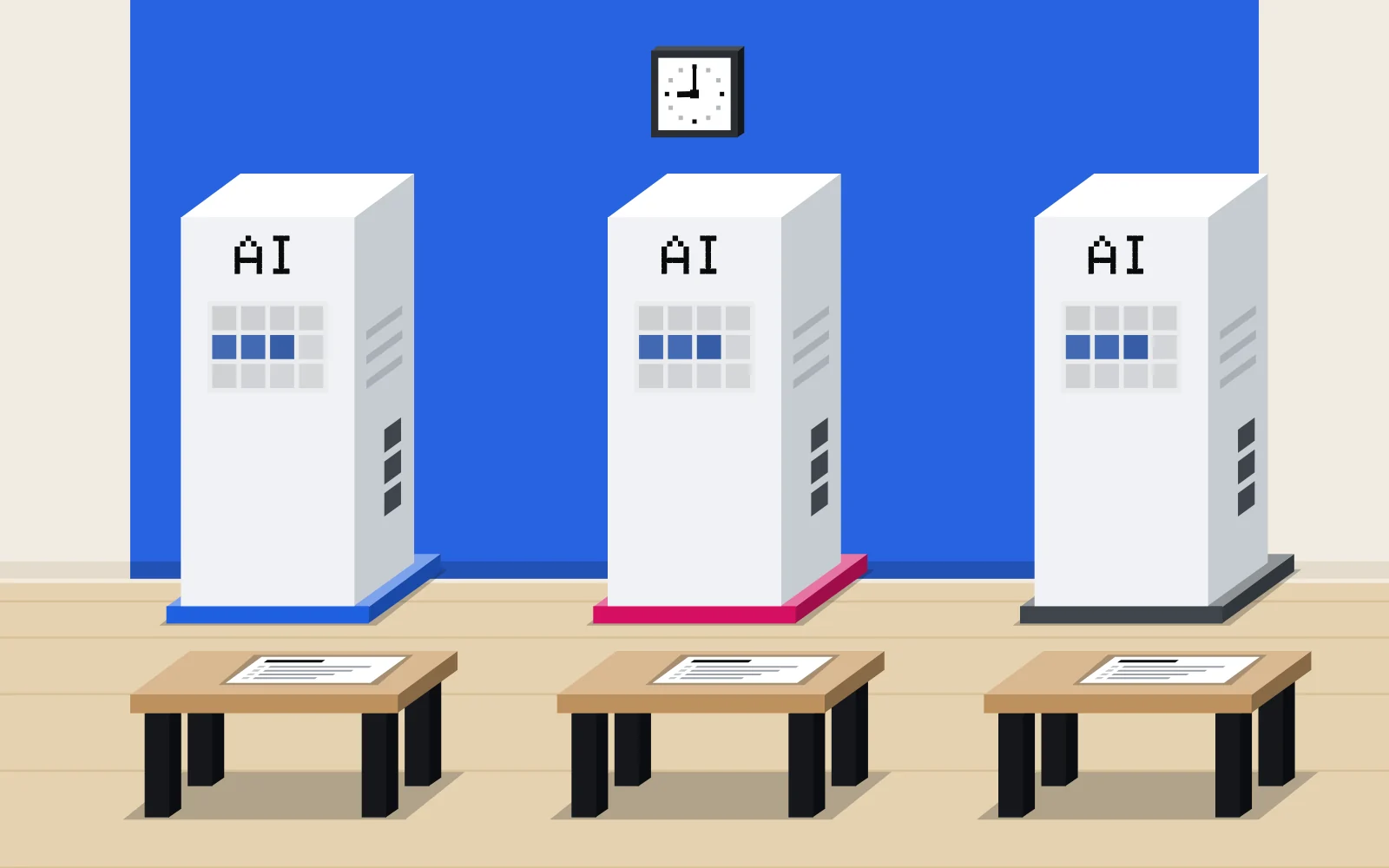
Step 1 of 4
Every AI sits the same test.
A benchmark is a fixed set of questions or tasks. Every AI gets the same ones, in the same way.
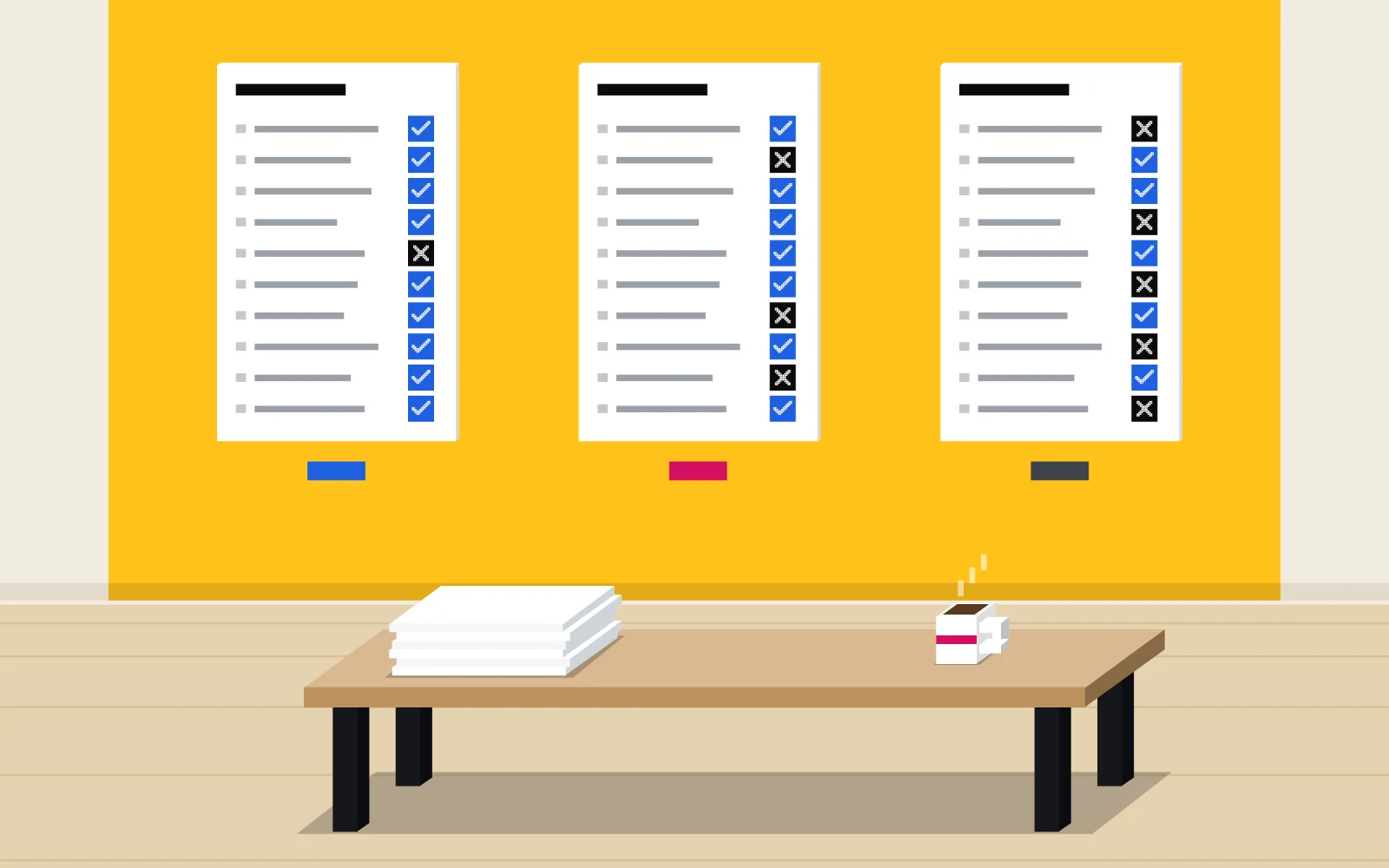
Step 2 of 4
Every answer is marked the same way.
By an answer key, by a program that checks the work, or by people or another AI that can't see which AI wrote it.
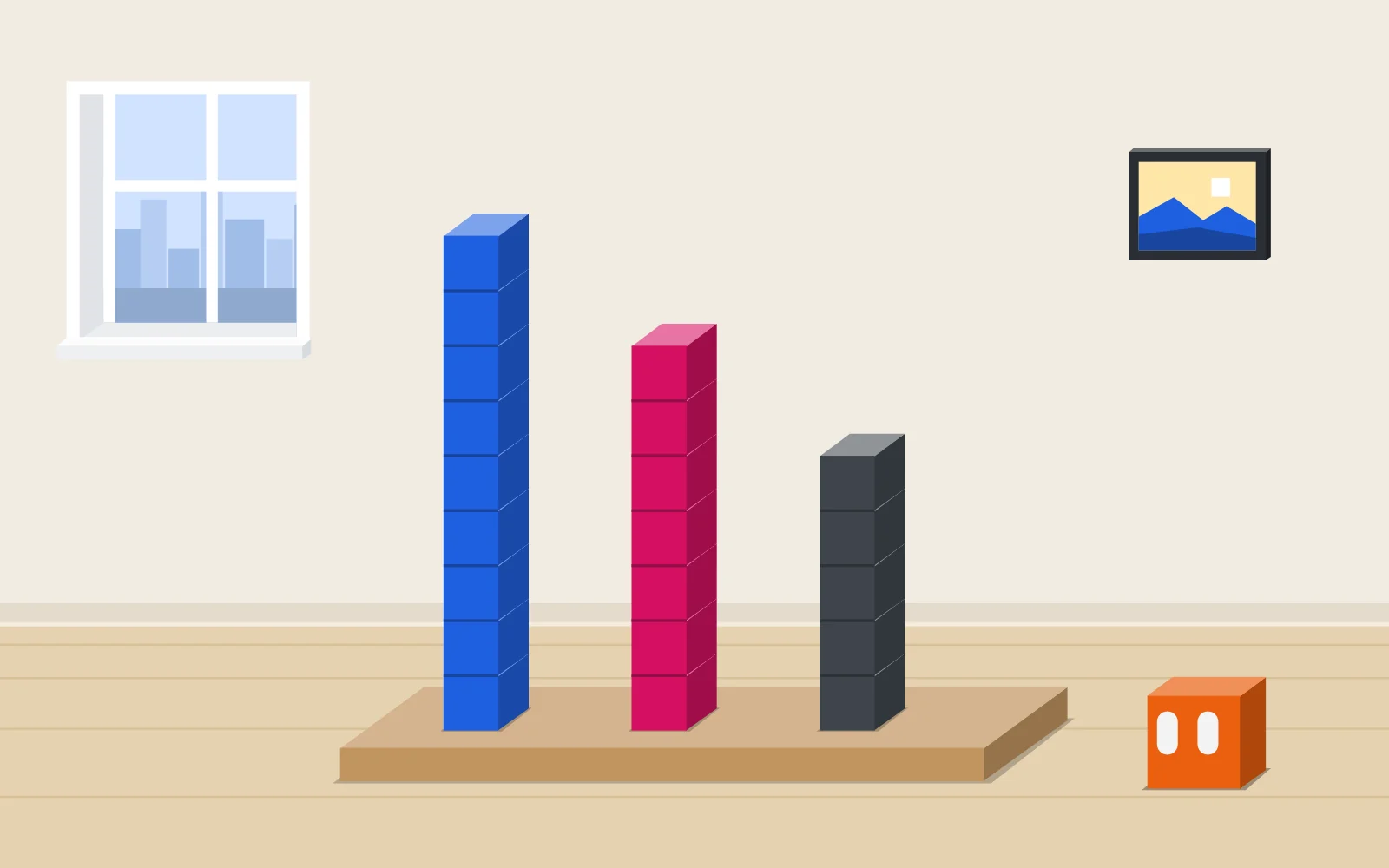
Step 3 of 4
The marks become a score.
Nine right out of ten is a score of 90 percent. Line the scores up and you have a leaderboard.
Step 4 of 4
But your job isn't the test.
A top score means it's good at that test. Try the top two on one real task of yours, then decide.

Four kinds of number on the boards
Each board says which kind it uses.
From blind side by side comparisons, like a chess rating. On Arena, where people vote, a 100 point lead means people picked its answer about 64 times in 100.
Its place on the board. Close scores swap places from month to month, so look at the gap, not only the place.
What the same tests cost to run, beside the cheapest model on the board. You feel it in your plan's limits, or your bill.
Three questions for any score
Ask them before a number changes what you use.
Who ran the test?
Makers show the tests they win, set up their own way. A board run by an outsider is fairer.
Sep 2026: OpenAI headlined 99.9 percent for GPT-6 Astra on ARC-AGI-3, using its own set-up. On ARC Prize's standard set-up, the same for every model, it scores 63.
When was it checked?
New models arrive every few weeks, and tests get retired once the answers leak into training.
Feb 2026: OpenAI stopped reporting SWE-bench Verified, a coding test, after finding broken tests, and that top models had seen its answers in training.
Is it your kind of work?
A coding test says little about your reports. Even office-work tests are one go, with no back and forth.
OpenAI says its own office-work test, GDPval, is one-shot: no drafts, no feedback and no unclear briefs, unlike a real week.
Event 1 of 5
Writing and everyday chat
The test: Arena. People ask two hidden AIs the same thing, then vote for the answer they like better. Millions of votes become points, like a chess rating.
Everyday chatPoints
- Place 1. Gemini 4 ArgonGoogle1524 points
- Place 2. Muse WonderMeta1509 points
- Place 3. Claude Opus 5.5Anthropic1508 points
- Place 18.
 Kimi K3OpenMoonshot AI, China1487 points
- Place 21. GPT-5.6 SolOpenAI1485 points
- Place 30. GPT-6 AstraOpenAI1477 points
Closed modelOpen model, free to downloadBars start at 1,400 points so the gaps show. Argon's lead rests on early votes.
Creative writingPoints
- Place 1. Claude Opus 5.5Anthropic1519 points
- Place 2. Gemini 4 ArgonGoogle1516 points
- Place 20. GPT-5.6 SolOpenAI1469 points
- Place 27. Kimi K3OpenMoonshot AI, China1461 points
Closed modelOpen model, free to downloadBars start at 1,400 points. Stories, poems and other made-up writing. Argon's place here rests on early votes too.
What it means for you: The top three are close: a 16 point lead means people picked Argon's answer over Claude's about 52 times in 100. ChatGPT's newest models rank lower here than on the coding and puzzle tests.
My pick: ChatGPT. What it does: quick drafts in a chat, and ChatGPT for Word to work right inside your document.
Sources: Arena text leaderboard (15 Oct 2026); Arena creative writing (15 Oct 2026), read 18 Oct 2026.
Event 2 of 5
Hard questions
The test: Humanity's Last Exam: about 2,500 questions from around 1,000 experts, too hard to look up. Artificial Analysis asks the text questions, with no web search.
Humanity's Last ExamPercent right
- Place 1. Claude Opus 5.5Anthropic61 percent right
- Place 2. Claude Fable 5.1Anthropic59 percent right
- Place 5. Gemini 4 ArgonGoogle57 percent right
- Place 10. GPT-6 AstraOpenAI55 percent right
- Place 14. MiMo-V2.6-ProOpenXiaomi, China49 percent right
Closed modelOpen model, free to downloadPlaces as the board shows them. An older science exam, GPQA, is maxed out: the top models still tested on it score 93 to 96.
ARC-AGI-3 puzzlesScore, out of 100
- PeoplePeople set the 100100 out of 100
- Place 1. GPT-6 AstraOpenAI63 out of 100
- Place 2. GPT-6.1 SolOpenAI53 out of 100
- Place 3. Gemini 4 ArgonGoogle50 out of 100
- Claude Opus 5.5AnthropicNot tested yet
 DeepSeek V4.1 FlashOpenDeepSeek, Chinaunder 1 out of 100
Closed modelOpen model, free to downloadGame worlds with no instructions: work out the rules, then win in as few moves as people. 100 is as good as people.
What it means for you: Claude answers the hardest exam questions best. On brand new puzzles ChatGPT's Astra leads, but it matches people only on its maker's own set-up.
My pick: in Claude, Opus 5.5 at High. Sonnet 5.5 at High or Extra high is also good.
Sources: Artificial Analysis, Humanity's Last Exam; ARC Prize leaderboard (newest entries 13 Oct 2026); Artificial Analysis, GPQA Diamond, read 18 Oct 2026.
Event 3 of 5
Coding
The test: Terminal-Bench 4.0. An AI agent gets a computer's command line and a real job, like fixing a broken build. Pass or fail, run by the test's own team.
Terminal-Bench, version 4Percent passed
- Place 1. Claude Opus 5.5Anthropic65 percent passed
- Place 2. Claude Sonnet 5.5Anthropic62 percent passed
- Place 3. GPT-6 AstraOpenAI58 percent passed
- Place 3. GPT-6.1 SolOpenAI58 percent passed
- Place 9.
 GLM-5.3OpenZ.ai, China42 percent passed
- Gemini 4 ArgonGoogleNot on this board
Closed modelOpen model, free to downloadClaude runs in Claude Code and GPT in Codex. Artificial Analysis's own run puts Gemini 4 Argon at 57, Claude Opus 5.5 at 60 and GPT-6.1 Sol at 56.
Building web pagesPoints
- Place 1. Claude Opus 5.5Anthropic1806 points
- Place 2. GPT-6 AstraOpenAI1776 points
- Place 3. Claude Sonnet 5.5Anthropic1768 points
- Place 9. Gemini 4 ArgonGoogle1678 points
- Place 12. DeepSeek V4.1 FlashOpenDeepSeek, China. Its 17 Oct update1670 points
Closed modelOpen model, free to downloadArena WebDev: people vote on pages and apps built from a prompt. Bars start at 1,600 points.
What it means for you: Claude leads both coding boards. GPT-6.1 Sol comes within seven points on the command line for about an eighth of the cost.
My pick: Claude Code. What it does: Anthropic's coding agent, in the Claude desktop app, on the web or in your terminal.
Sources: Terminal-Bench 4.0 leaderboard; Arena WebDev (18 Oct 2026); Artificial Analysis, Terminal-Bench 4.0, read 18 Oct 2026.
Event 4 of 5
Agents: whole tasks, done for you
The test: GDPval-AA. Real assignments from 44 jobs, like a legal brief or a sales deck, done with a computer and a browser. Another AI compares two answers without knowing who wrote them, and the wins become a rating.
Real office workRating
- Place 1. Claude Opus 5.5Anthropic1866 rating points
- Place 2. Muse Wonder FullMeta1857 rating points
- Place 3. Claude Sonnet 5.5Anthropic1838 rating points
- Place 12. MiMo-V2.6-ProOpenXiaomi, China1684 rating points
- Place 16. Gemini 4 ArgonGoogle1624 rating points
- Place 19. GPT-6.1 SolOpenAI1594 rating points
- Place 21. GPT-6 AstraOpenAI1573 rating points
Closed modelOpen model, free to downloadA rating from wins in blind comparisons, like a chess rating. Places as the board shows them. Bars start at 1,500.
Finance, law, tax and codePercent right
- Place 1. Gemini 4 ArgonGoogle69 percent right
- Place 2. Claude Sonnet 5.5Anthropic67 percent right
- Place 3. Claude Opus 5.5Anthropic67 percent right
- Place 4. Claude Fable 5.1Anthropic66 percent right
- Place 7. GPT-6 AstraOpenAI63 percent right
- Place 14. MiMo-V2.6-ProOpenXiaomi, China55 percent right
Closed modelOpen model, free to downloadThe Vals Index (16 Oct 2026): eight agent tests in finance, law, tax and code, most of them private.
What it means for you: On these boards Claude leads, then Gemini; on Arena, where people rate agents on real tasks, ChatGPT's models come next, just ahead of Gemini. Long jobs are still hard: the best agent tested finished under half of computer tasks that take a person about an hour and a half.
My pick: Claude. What it does: hand over a task in any chat: it plans the steps, works with your files and asks before important actions.
Sources: Artificial Analysis, GDPval-AA; Vals Index (16 Oct 2026); Arena agent board, Work (15 Oct 2026); OSWorld 2.0 (15 Oct 2026), read 18 Oct 2026.
Event 5 of 5
Speed and cost
The test: Artificial Analysis runs every model on the same ten tests, adds up what the run costs, and times how fast each one writes.
What the same work costsTimes the cheapest
- Claude Fable 5.1Anthropic57x times the cheapest
- Claude Opus 5.5Anthropic45x times the cheapest
- Claude Sonnet 5.5Anthropic41x times the cheapest
- GPT-6 AstraOpenAI24x times the cheapest
- Gemini 4 ArgonGoogle15x times the cheapest
- GPT-6.1 SolOpenAI5x times the cheapest
- MiMo-V2.6-ProOpenXiaomi, China1x times the cheapest
Closed modelOpen model, free to downloadCost per task on the same tests, beside the open model MiMo-V2.6-Pro, the cheapest here. A longer bar costs more.
How fast it writesWords a second
- Claude Haiku 5.5Anthropic176 words a second
- Muse WonderMeta141 words a second
- Gemini 3.8 FlashGoogle121 words a second
- Claude Sonnet 5.5Anthropic103 words a second
- GPT-6 LunaOpenAI95 words a second
- Claude Opus 5.5Anthropic74 words a second
- GPT-6 AstraOpenAI53 words a second
- GPT-6.1 SolOpenAI45 words a second
- Gemini 4 ArgonGoogleNo speed shown yet
Closed modelEach model at its top setting. Measured in tokens: OpenAI says 100 tokens are about 75 words.
What it means for you: The best value near the top is GPT-6.1 Sol: 52 on the overall board for about an eighth of Opus 5.5's cost. Open models cost less again, and every model here writes far faster than you can read.
My pick: in Claude, Sonnet 5.5 at High or Extra high. I skip Haiku 5.5.
Sources: Artificial Analysis models leaderboard; OpenAI, what are tokens, read 18 Oct 2026.
The open shelf
Open models: download them, run them yourself.
An open model's weights, the model itself, are free to download, so you can run it on your own computer or a server you control. The best are about four months behind the best closed models (Epoch AI, May 2026), and nine of the top ten open ones come from China.
 MiMo-V2.6-ProKimi K3GLM-5.3DeepSeek-V4.1-FlashQwen3.8-27BGemma 4
MiMo-V2.6-Pro
Xiaomi, China
The best open model on the overall board. Reads text, pictures, video and sound, with room for very long documents.
Too big for a laptop: use a host such as DeepInfra or OpenRouter. Check where Xiaomi's own apps keep your data.
Kimi K3
Moonshot AI, China
The open model people liked best in Arena's votes. Strong at long coding sessions and research reports.
The Kimi app stores your data in China. Amazon Bedrock runs it too, and says model makers can't see your prompts there.
GLM-5.3
Z.ai, China
Built for coding and long, many-step jobs. Second among open models on the overall board.
Z.ai's chat app runs the smaller GLM-5.3-Flash; its policy says data is processed in Singapore.
DeepSeek-V4.1-Flash
DeepSeek, China
Very cheap to run, because only a small part of it works at a time. Reads text and pictures, and long documents.
DeepSeek's own app stores your data in China. Google's Vertex AI and other hosts run it too.

Qwen3.8-27B
Alibaba's Qwen team, China
The best open model that fits on one well-equipped computer. Reads pictures too.
A 16 to 18 GB download in Ollama or LM Studio. Plan on 24 GB of memory or more, like a 32 GB Mac.
Gemma 4
Google DeepMind, US
Five sizes, from phone-sized to desktop. Trained on over 140 languages, and works well in 35. The small ones hear audio too.
Gemma 4 12B runs on a 16 GB laptop; the 31B needs 24 to 32 GB. In Ollama and LM Studio.
Also worth knowing: Meta's Muse Spark Open (US, out 15 Oct 2026), Mistral Medium 3.5 (France) and OpenAI's gpt-oss. Strictly, all of these are open weight: you get the model, but not its training data and code, which the Open Source Initiative's definition of open source asks for.
Licences: MIT and Apache 2.0 let any business use the model. Others add conditions: Kimi K3 and GLM-5.3 add rules for very big apps and model sellers, and Mistral Medium 3.5's licence shuts out larger companies. Read the licence before you use one at work.
Three ways to run one
From no setup at all to a server you control.

In the maker's app
Type into the maker's own website or app, like any chatbot. Nothing to set up.
What you give up: your words go to that company, in its country. DeepSeek and Kimi store chats in China.
On your own laptop
Install Ollama or LM Studio, both free to run models on your own computer, then download a model. It works offline.
You need memory: 16 GB runs the smaller models, 24 to 32 GB the best small ones.
On your company's cloud or server
Use it through your company's cloud, such as Amazon Bedrock, Google's Vertex AI or Microsoft Foundry, or run it on your own machine.
Amazon says model makers can't see your prompts on Bedrock. The biggest models need a rack of high-end chips.
Open, or Claude, ChatGPT and Gemini?
An open model wins when
- Your data must not leave the building: run it on your own machine.
- You send a lot of work: the best open model costs about 2 percent as much per task as the top model.
- You need it offline, on a plane or a locked-down network.
- You want it never to change: a downloaded model stays the same until you change it.
Claude, ChatGPT or Gemini wins when
- The work is the hardest kind: the best open model scores 46 against 58 on the overall board.
- You want ready-made office features: connectors to your email and drive, files and slides, team settings.
- You don't want to look after it: updates, hardware and fixes are on you.
- Your company has approved one: at work, use the tool your company approves for its data.
My pick, beside the scores
Claude first, ChatGPT second, Gemini third.
My ranking for most office work, set beside the boards: where the tests agree with me, and where they don't.
Claude
The simplest start to finish: one conversation for quick questions and whole tasks, and it asks before it acts.
ChatGPT
A strong agent in ChatGPT Work, with its own browser for sites you sign in to, and a wide set of everyday features.
Gemini
The best fit when your company runs on Google Workspace: Gemini in Gmail, Docs, Sheets and Meet.
Overall
Claude Opus 5.5 leads at 58. GPT-6 Astra and Gemini 4 Argon tie at 53, with Claude Fable 5.1.
Claude first, ChatGPT secondThe tests can't split ChatGPT and Gemini overall. I put ChatGPT second for its agent and everyday features.
Writing
Gemini 4 Argon tops the votes for chat on early votes; Claude Opus 5.5 tops creative writing.
ChatGPTWhat it does: quick drafts in a chat, and ChatGPT for Word to work right inside your document.
Hard questions
Claude Opus 5.5 tops the hardest exam; GPT-6 Astra tops brand new puzzles.
Claude Opus 5.5 at High
Coding
Claude Opus 5.5 leads both coding boards.
Claude CodeWhat it does: Anthropic's coding agent, in the Claude desktop app, on the web or in your terminal.
Agents
Claude Opus 5.5 tops real office work; Gemini 4 Argon tops the Vals Index of finance, law, tax and code.
ClaudeWhat it does: hand over a task in any chat: it plans the steps, works with your files and asks before important actions.
Speed and cost
Claude Haiku 5.5 is the fastest Claude, and GPT-6.1 Sol the best value near the top.
Claude Sonnet 5.5 at High or Extra highI skip Haiku 5.5.
Which model, in Claude: my rule
- My first pickOpus 5.5 at High
- Also goodSonnet 5.5 at High or Extra high
- Only if cost is no objectFable 5.1
- I skipHaiku 5.5
Why: Fable 5.1 costs too much to run, and Opus 5.5 at Extra high does an amazing job.
To set it: click the model name next to Send, pick the model, then Effort. Opus 5.5 not on your plan? Use Sonnet 5.5.
Get in touch
Want your team on the right AI?
Team workshops start from your real work, in the tools you already have.
Checked Oct 2026, next check Nov 2026. Scores change every month, so this page is checked every month. Every score here was read on its source's own page on 18 Oct 2026; makers' own claims are marked as theirs. Each logo belongs to its maker and only names its model: no maker is affiliated with Neosaipien or has endorsed this page.
Sources, read 18 Oct 2026
- Artificial Analysis, models leaderboard (Intelligence Index v4.3.2, cost per task, output speed), read 18 Oct 2026
- Artificial Analysis, how the Intelligence Index is made, read 18 Oct 2026
- Arena, text leaderboard, dated 15 Oct 2026
- Arena, creative writing, dated 15 Oct 2026
- Arena, WebDev, dated 18 Oct 2026
- Arena, how its scores are reported (multiplied by 400, plus 1,000), read 18 Oct 2026
- Arena's rating code: base 10 and scale 400, so a 100 point lead is about 64 to 36, read 18 Oct 2026
- Artificial Analysis, Humanity's Last Exam, read 18 Oct 2026
- Artificial Analysis, GPQA Diamond, read 18 Oct 2026
- ARC Prize, leaderboard, newest entries 13 Oct 2026
- ARC Prize on GPT-6 Astra, 3 Sep 2026
- OpenAI, GPT-6 Astra, 3 Sep 2026
- Terminal-Bench 4.0 leaderboard, read 18 Oct 2026
- Artificial Analysis, GDPval-AA, read 18 Oct 2026
- Vals Index, updated 16 Oct 2026
- OSWorld 2.0, updated 15 Oct 2026
- OpenAI, why it no longer reports SWE-bench Verified, 23 Feb 2026
- OpenAI, GDPval, read 18 Oct 2026
- OpenAI, what are tokens (100 tokens are about 75 words), read 18 Oct 2026
- Artificial Analysis, open weights models, read 18 Oct 2026
- Epoch AI, how far open models trail closed ones, 29 May 2026
- MiMo-V2.6-Pro model card, read 18 Oct 2026
- Kimi K3 model card and licence, read 18 Oct 2026
- GLM-5.3 model card and licence, read 18 Oct 2026
- DeepSeek-V4.1-Flash model card, read 18 Oct 2026
- Qwen3.8-27B model card, read 18 Oct 2026
- Gemma 4 model card, read 18 Oct 2026
- Ollama library: Qwen3.8 and Gemma 4 download sizes, read 18 Oct 2026
- DeepSeek privacy policy, updated 10 Feb 2026
- Kimi privacy policy, effective 31 Aug 2026
- Z.ai privacy policy, updated 29 Sep 2025
- Ollama, read 18 Oct 2026
- LM Studio, read 18 Oct 2026
- Arena, agent board, Work, dated 15 Oct 2026
- Artificial Analysis, Terminal-Bench 4.0 (its own run), read 18 Oct 2026
- ARC Prize, ARC-AGI-3 (100 means as efficient as people), read 18 Oct 2026
- Artificial Analysis, MiMo-V2.6-Pro's hosts, read 18 Oct 2026
- Mistral Medium 3.5 model card and licence, read 18 Oct 2026
- LM Studio, Qwen3.8, read 18 Oct 2026
- Amazon Bedrock, data protection, read 18 Oct 2026
- Amazon Bedrock, models it carries, read 18 Oct 2026
- Google Vertex AI, open models, read 18 Oct 2026
- Microsoft Foundry, models, read 18 Oct 2026
- Open Source Initiative, the Open Source AI Definition 1.0, Oct 2024