Does AI read words the way you do?
Know what a token is, and turn any token limit into words.
It forgot the start
An hour into one chat, it lost track of your first rule.

What happens to your words
From what you type to its limit:
- Words become tokens
- Limits count tokens
- Tokens turn into words
- Full windows can squeeze the start
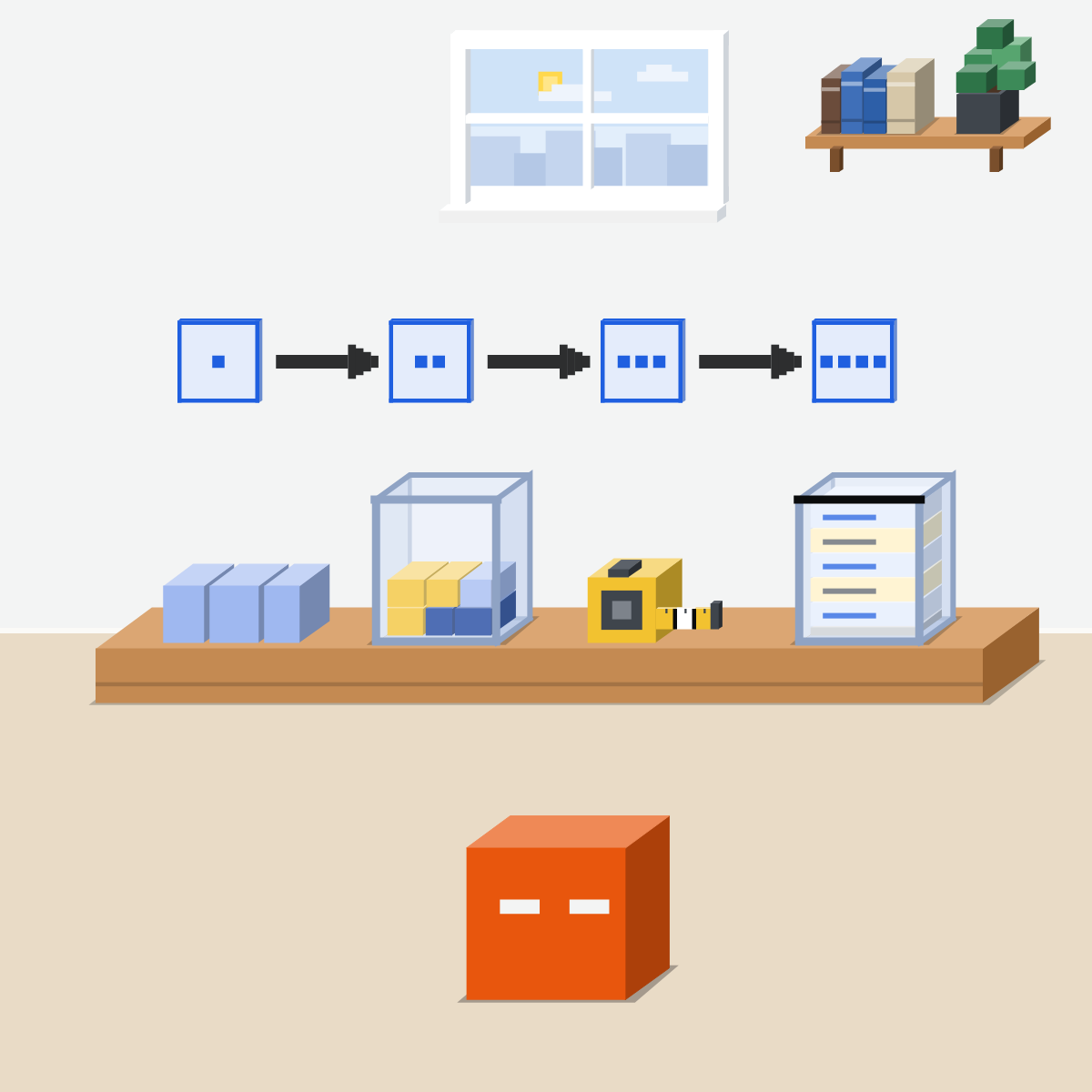
Words go in as pieces
Your text is cut into tokens first. A common word is usually one. A rare word, several.
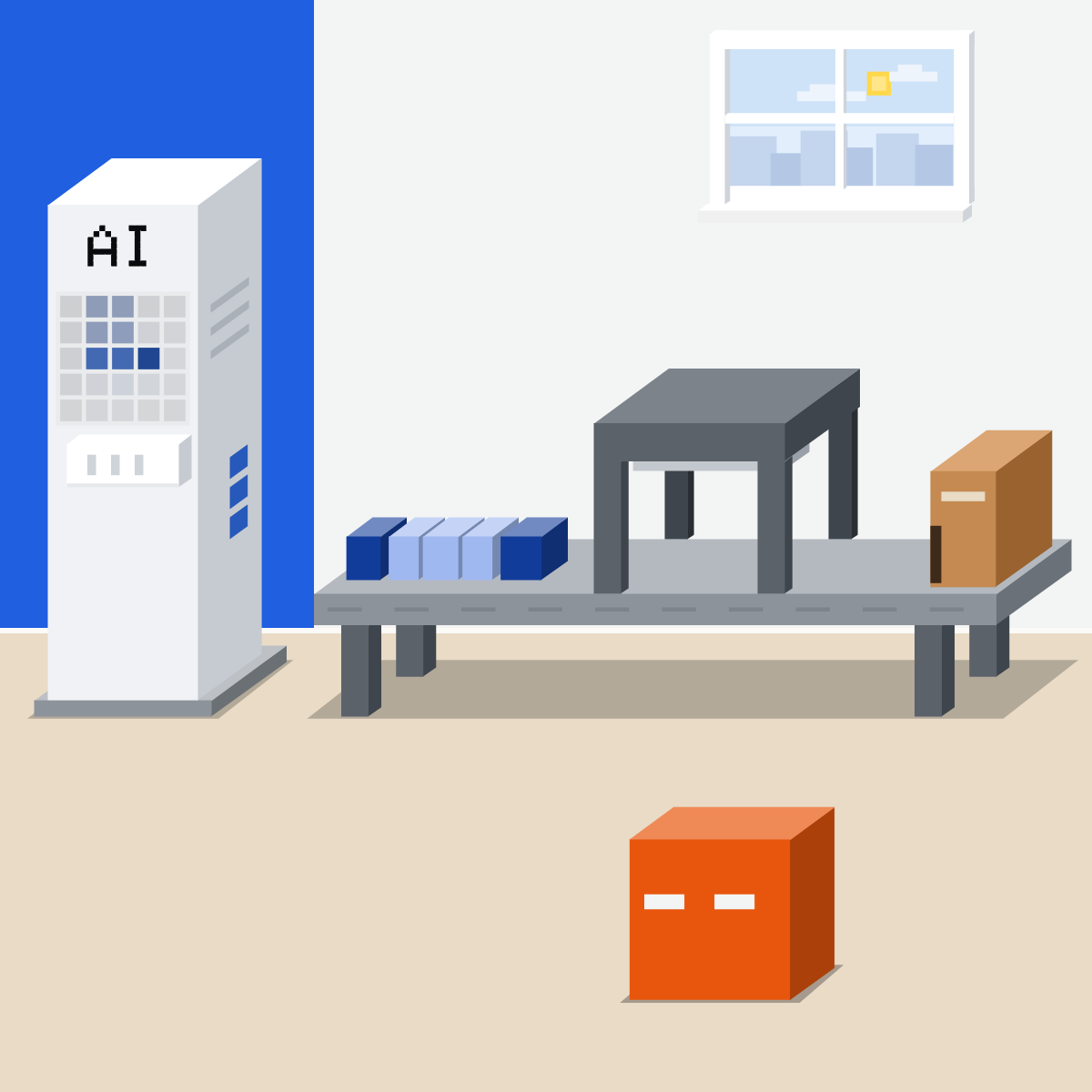
Limits are counted in tokens
How much one chat holds is its context window. It's counted in tokens, as is an answer's length.
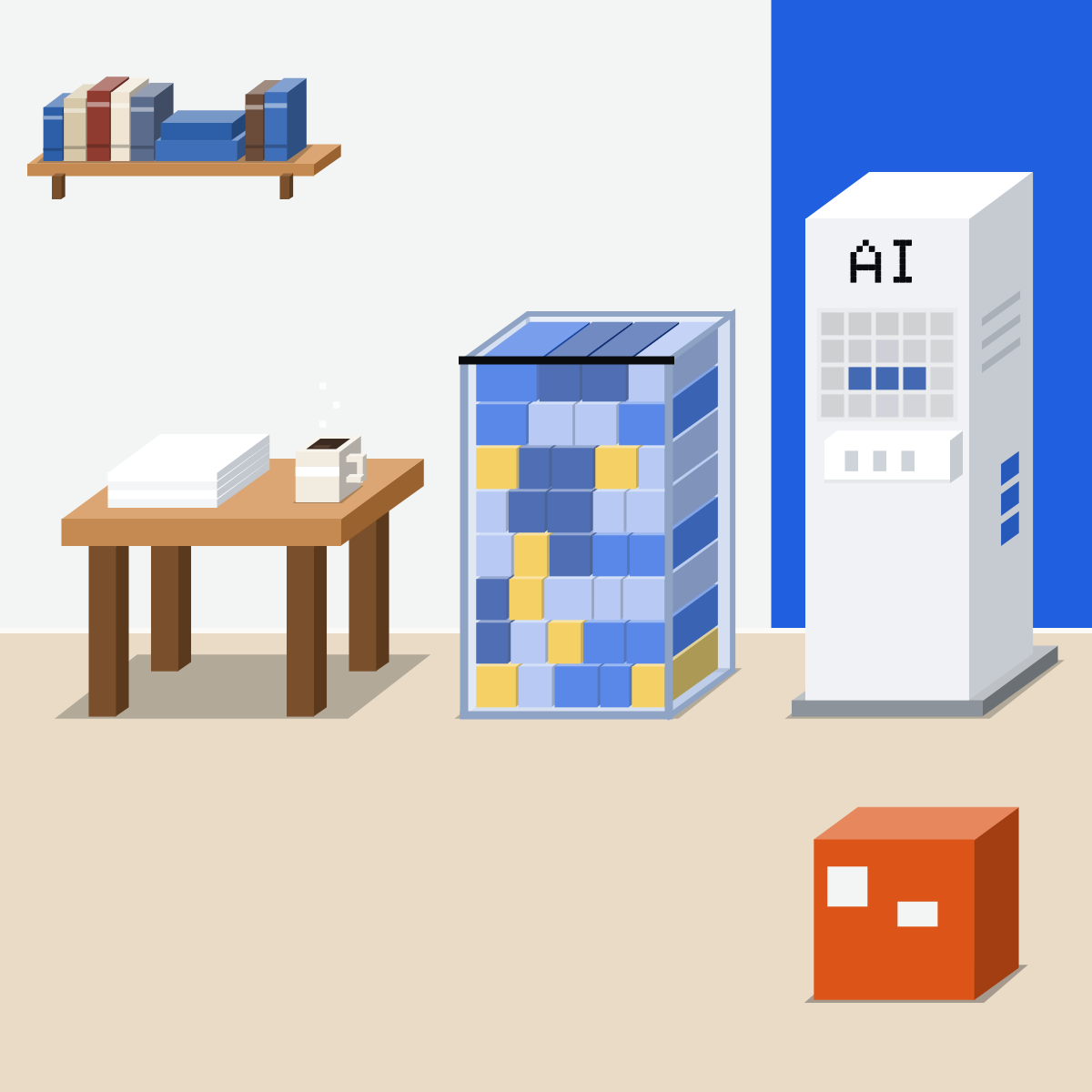
Turn tokens into words
OpenAI's rough rule: 100 tokens is about 75 English words. It varies by tool and language.
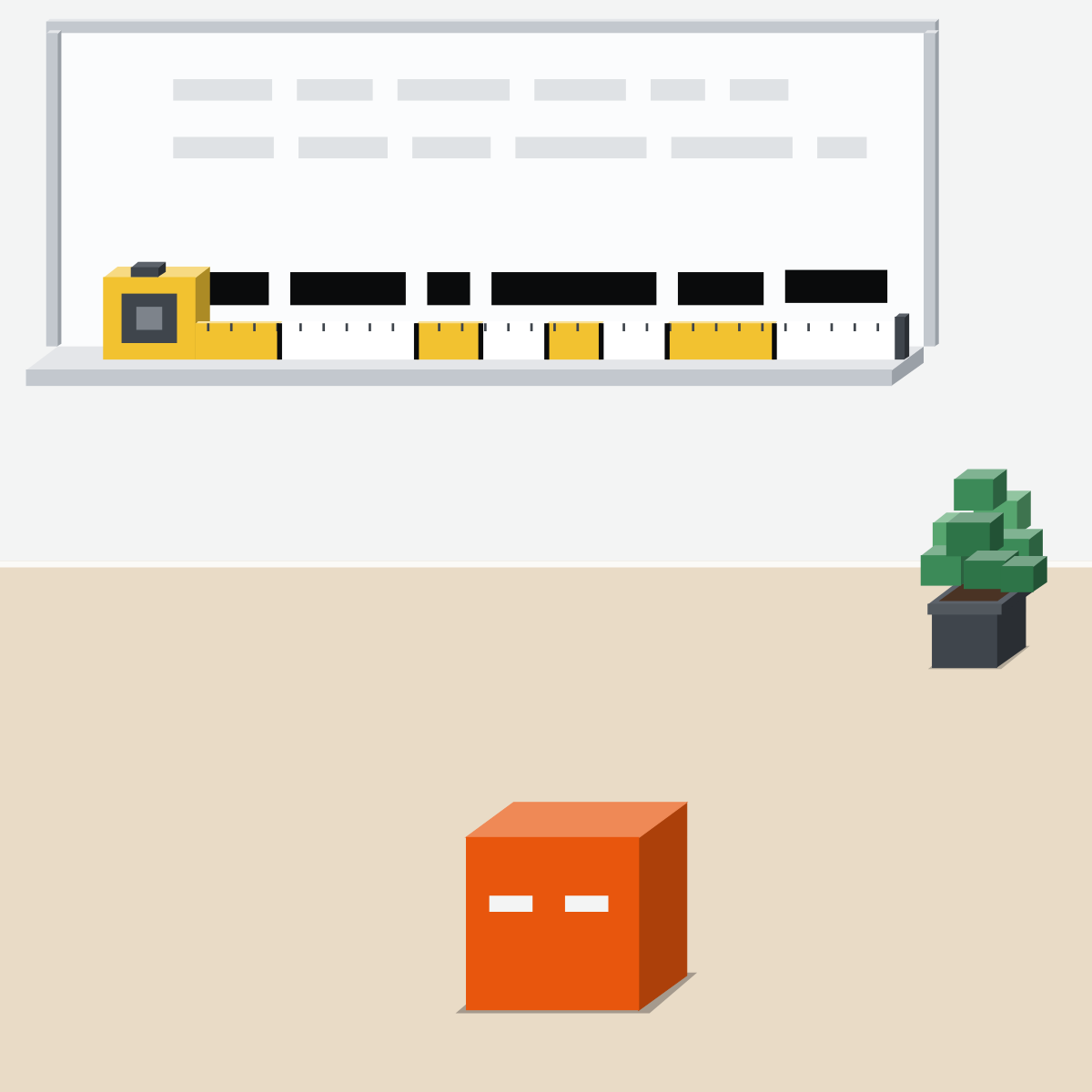
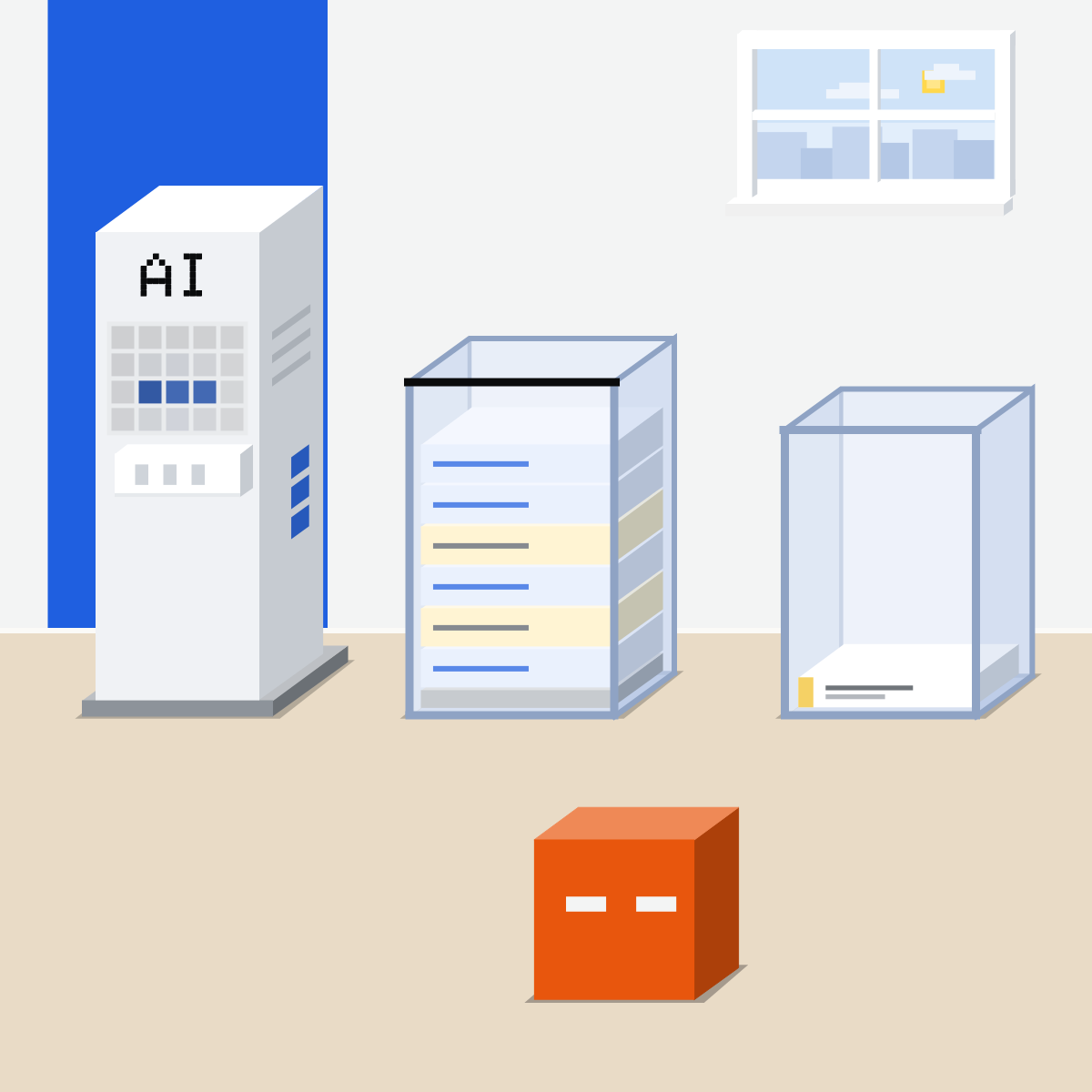
Not forgetful. Full.
When a chat outgrows its window, its start can be summarised or missed. Long job? Start fresh with a short summary.
Does it all fit?
Use a long public document.
- Find your limit in the tabs above.1 min
- Turn it into words. Is your document shorter?2 min
- Attach it with the request below.2 min
- Compare its last sentence with the real one.3 min
Your request
Before you summarise this document, list its section headings and quote its last sentence word for word. If you can't see all of it, say which part you can see.
Good looks likeIt lists every heading and quotes the real last sentence.
In your assistant · as of Oct 2026 · Claude, ChatGPT, GeminiFind your limit, in tokens
Each tool states its context window by plan. Numbers as of Oct 2026.
- CheckYour plan's number
- CheckTurned into words
- CheckRoom for answers
Test with public or made-up text. Never paste private files just to see what fits.
 Claude
Calls it the context window
1M tokens in a chat
Opus 5.5 and Sonnet 5.5 on Pro, Max, Team and Enterprise. Some older models hold less.
About 555,000
Anthropic's figure for 1M tokens on its current models: fewer words per token than OpenAI's rule.
It summarises earlier messages
With code execution on. Your full history is kept. Long chats use more of your limit.
Find it in the Claude Help Center: the context window article for Pro, Max, Team and Enterprise.
 ChatGPT
Calls it the context window
Free 27K, Go and Plus 54K, Pro 128K
Tokens, for the whole chat.
Go and Plus 256K, Pro 400K
OpenAI's plans page calls these its reasoning models. On Free, it varies.
Less than the total
Instructions, memories and its thinking use the same window.
Find it on OpenAI's plans page, OpenAI: Plans, in the table of features.
 Gemini
Calls it the context window
32K tokens
128K tokens
1 million tokens
Google: up to 1,500 pages of text.
Personal accounts. Past the limit, answers may miss details. Google's rule: 100 tokens is about 60 to 80 English words.
Quick check · three questionsDid it stick?
1A tool's limit is 8,000 tokens. By OpenAI's rough rule, about how many English words fit?
The answer: A 100 tokens is about 75 English words, so take about three quarters. It's rough, and it differs by tool and language.2Two notes have the same number of words. One is plain English. One is full of product codes and rare names. Which uses more of the limit?
The answer: B Common words are usually one token each. Rare words and codes are cut into several pieces, so they fill the window faster.3Deep into a long chat, it ignores a rule from your first message. What is the likeliest reason?
The answer: C When a chat outgrows its window, its start can be summarised or missed. Start a fresh chat with a short summary, rules included.
Why pieces, not words?Side note
Thinking uses tokens tooSide note
See the pieces yourselfSide note
Sources, checked 18 Oct 2026Source
Product details as of Oct 2026, each checked on the vendor's own page on 18 Oct 2026. Recheck by 18 Nov 2026. The examples in the pictures are made up for this lesson.
- OpenAI, Understanding and counting tokens (what a token can be; a token count is not a word count; 100 tokens is about 75 English words, an estimate; other languages differ; the context window and the output limit; reasoning tokens count toward output)
- OpenAI, Tokenizer (see how a text splits into tokens; 100 tokens is about 75 words; a common word is one token, a rare surname and a product code several)
- OpenAI, ChatGPT plans (the total context window by plan for Instant and reasoning models; the room for your input is smaller than the total)
- OpenAI, GPT-6 and other models in ChatGPT (Instant, Medium, High and Extra High on the Thinking slider; Think on Free and Go)
- Anthropic, Glossary (text is encoded into tokens; tokens can be words, subwords, characters or bytes; smaller tokens handle uncommon or never-before-seen words; characters per token depend on the model and the language; the context window as working memory)
- Anthropic, Models overview (1M tokens is roughly 555k words on the current tokenizer, introduced with Claude Opus 4.7)
- Anthropic, Context windows (everything in the request and the response, thinking included, counts toward the window; accuracy and recall degrade as it grows; chat interfaces such as claude.ai can manage the window first in, first out)
- Claude Help Center, article on the context window size for Pro, Max, Team and Enterprise (the context window in a chat by model; earlier messages summarised near the limit with code execution on; full history kept; more of the usage limit; in rare cases a chat can still hit the limit)
- Claude Help Center, How do usage and length limits work? (the context window as working memory; summarising near the limit; if you hit a length limit, start a new conversation)
- Google, Understand and count tokens, Gemini API docs (a token is about 4 characters; 100 tokens is about 60 to 80 English words; single characters like z or whole words like cat; long words split into several tokens)
- Google, Gemini Apps limits and feature availability (the context window by plan for personal accounts; up to 1,500 pages at 1 million tokens; past the limit, answers can miss content, connections or details)
Bring this to your teamTeam workshops · Get in touchBack to level 1, Start here
Know your limit, in words.
Next lesson · 15 minHow does AI know what words mean?