How does AI know what words mean?
Why vague questions get average answers, and how to get yours.
Fine, but not yours
You asked for a welcome email. You got one for anybody.
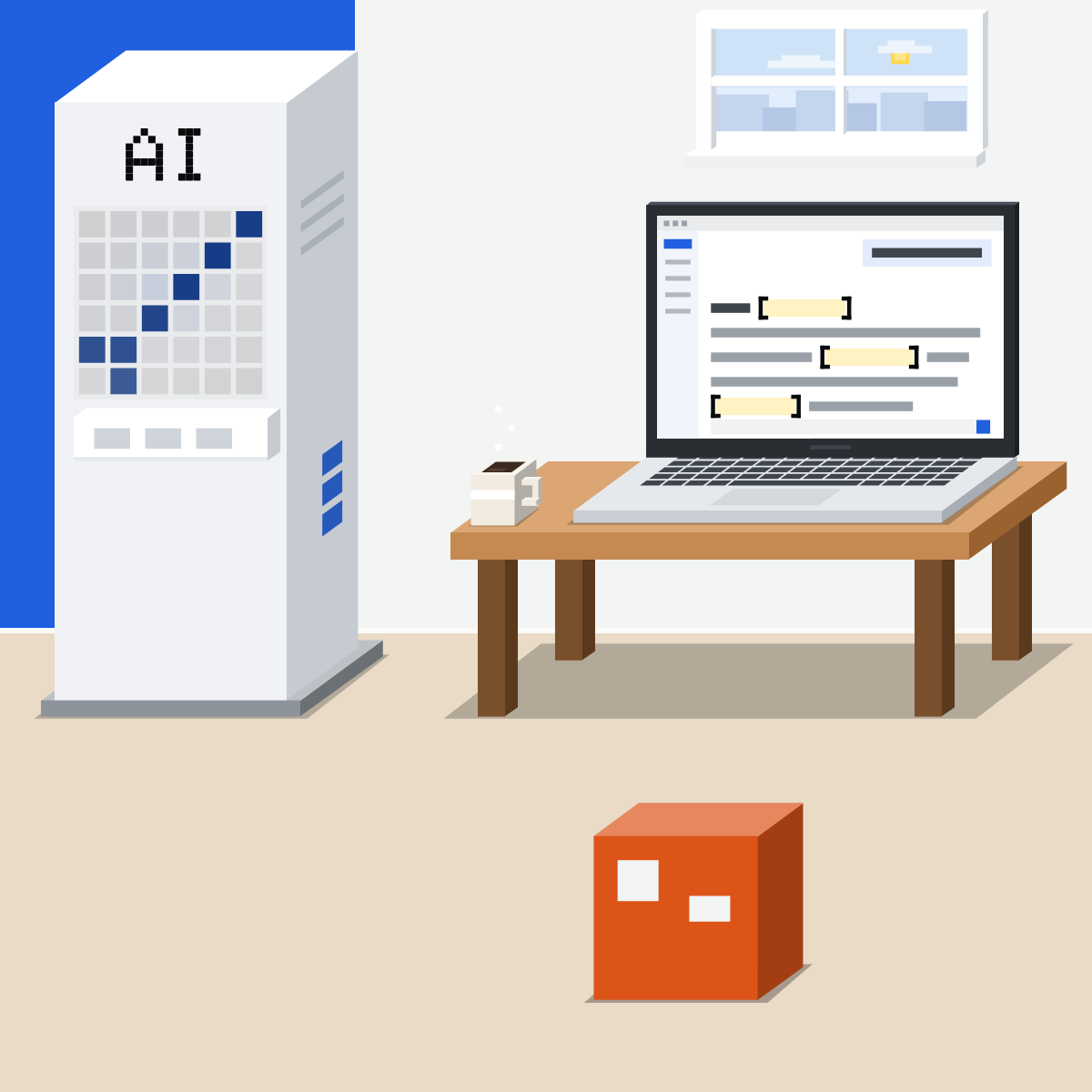
A map of meaning
Inside the AI, picture a map.
- Every word has its own place.
- Your question lands among them.
- Each detail you add moves it.
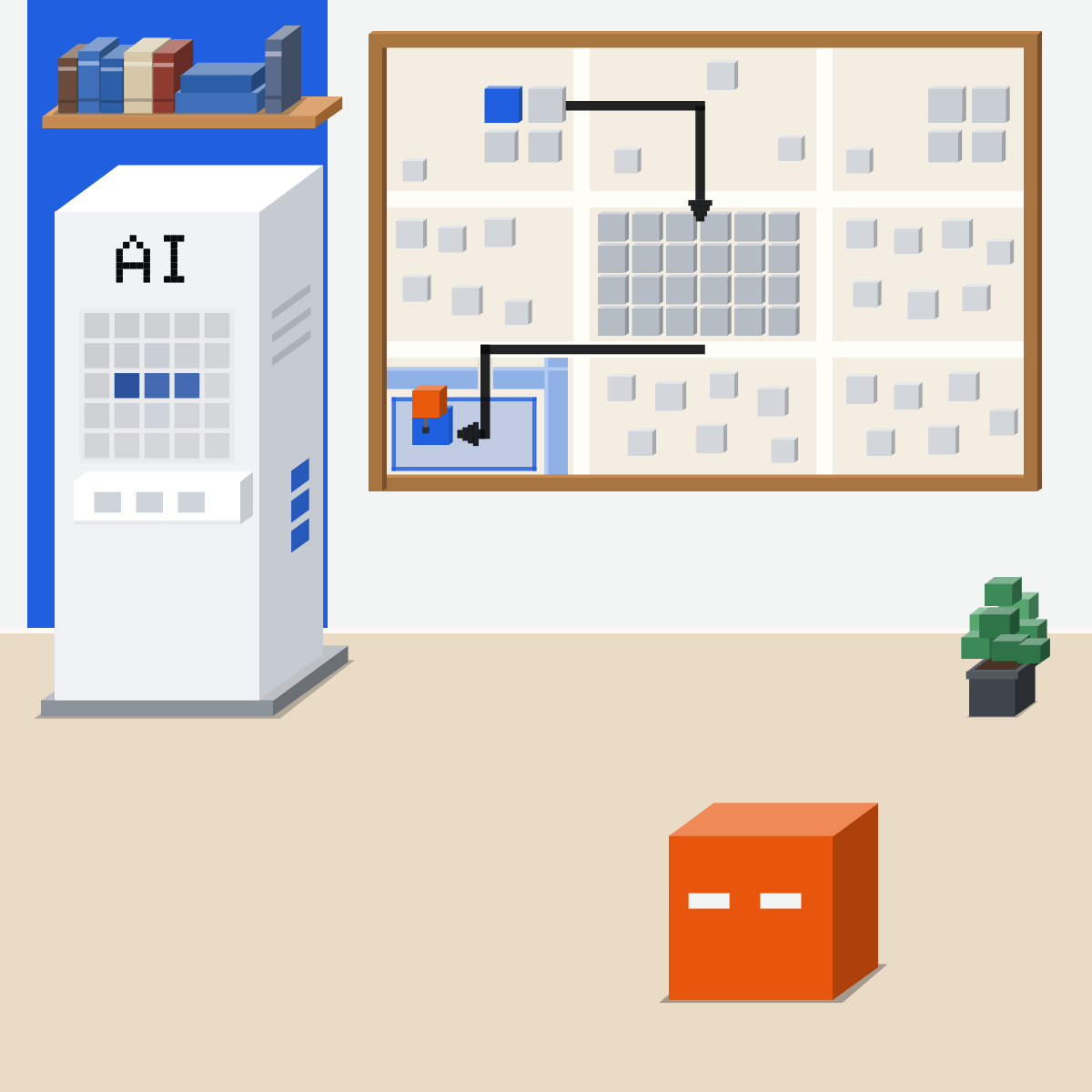
1. Similar words, close together
Words used in similar ways sit close. Dog and puppy are neighbours. Invoice lives across town.
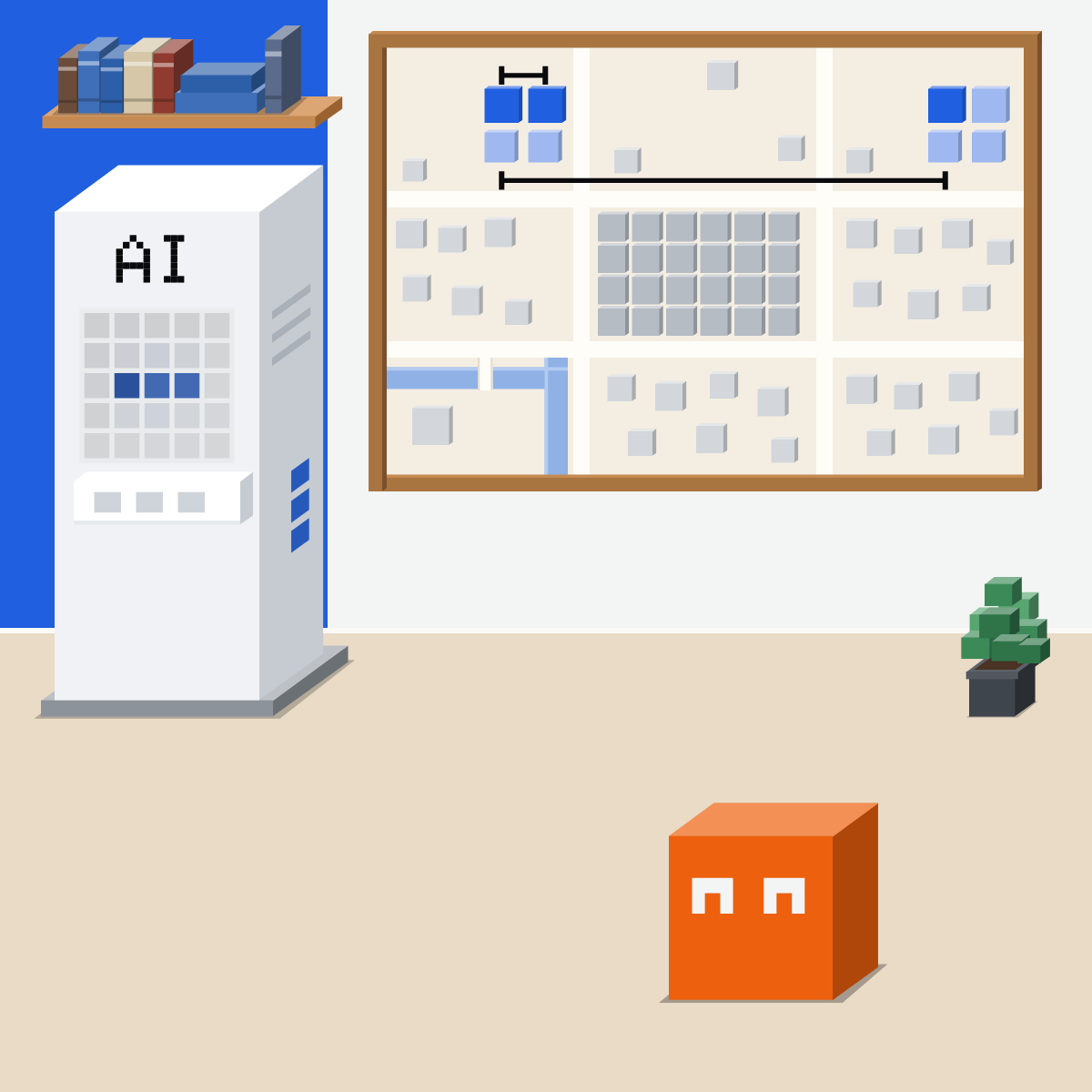
2. Vague lands in the middle
A vague question lands in the busy middle, among everyone else's. It gets the answer most people get.
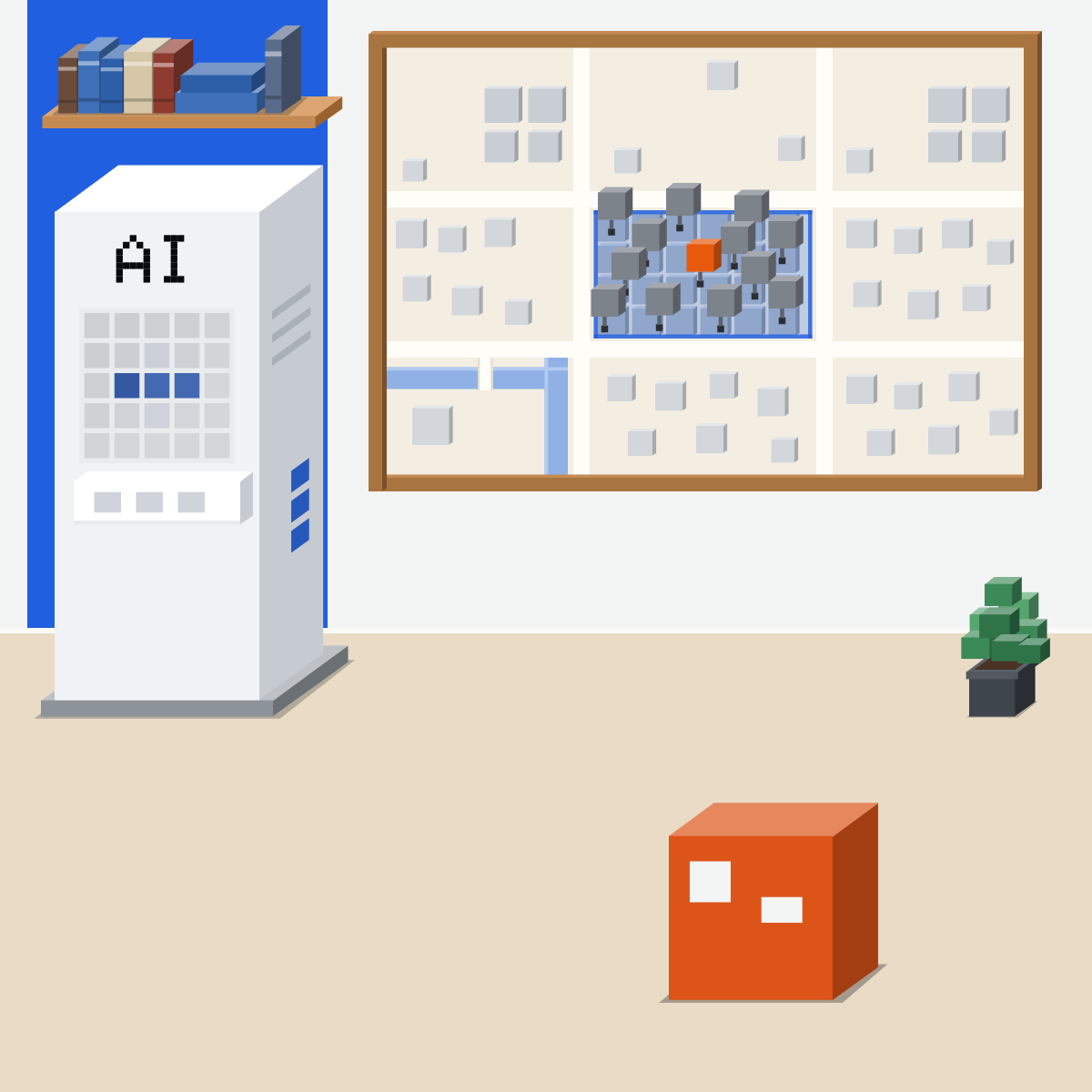
3. Details move it
Add who it's for, what it's for, and the limit. Each moves it toward your corner.
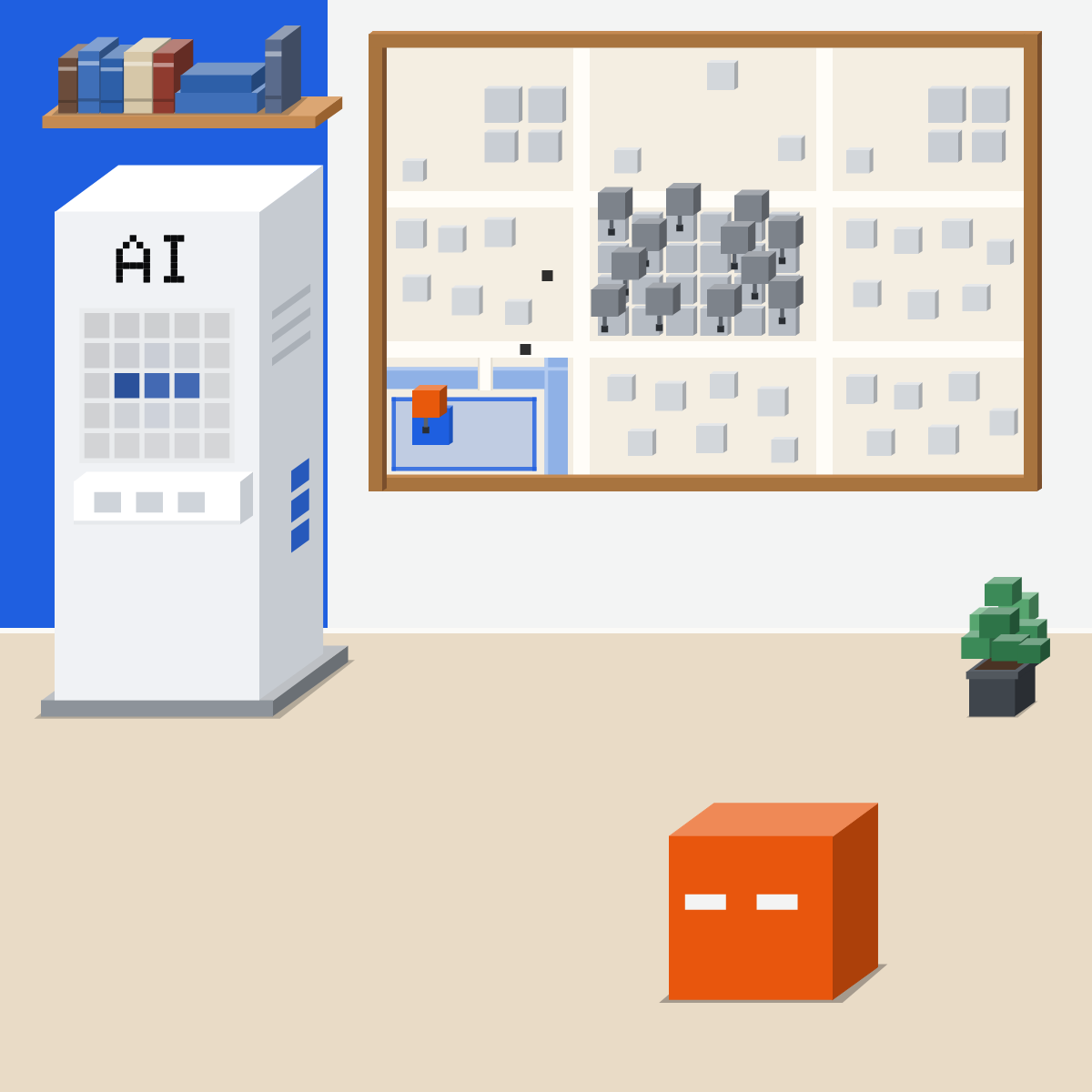
Vague in, average out.
Before you ask, add who it's for, what it's for, and the limit.
My pick for everyday AI
 ClaudeAlso good:
 ChatGPT
One conversation for quick questions and whole tasks. It asks before it acts.
All my picks
Ask it twice
Made-up first, then your own. Nothing private.
- In Claude, ChatGPT or Gemini, ask the vague one.2 min
- In a new chat, ask the specific one.2 min
- Which could you send as it is?1 min
- Then fix one of your own: who, what for, the limit.5 min
The two questions
Vague:
Write a welcome email for a new starter.

Specific:
Write a welcome email for Sam, a new nurse on our night team. It's for Sam's first shift on Monday. Under 100 words, warm, and say who meets Sam at the door.
Good looks likeThe second one needs no blanks filled in.
In your assistant · as of Oct 2026 · Claude, ChatGPT, GeminiSay it once, for every chat
Save what never changes. Add the job's details each time. Menus move often.
- About youyour role and team
- Readerswho reads your work
- Limitsthe ones you always want
Standing instructions are for facts that rarely change. Leave out passwords, client details and anything private.
Claude
Calls it Instructions for Claude
Click your initials first. Every chat uses them.
Only that project's chats use them.
What it remembers sits under Topics. Edit or delete there.
On Team and Enterprise, an owner decides whether memory is available.
ChatGPT
Calls it Custom Instructions
With Enable customization on. On every plan.
Project instructions win over your general ones, in that project.
Some controls vary by plan, region and workspace.
 Gemini
Calls it Instructions for Gemini
Click Add, type them, then Submit. Every chat uses them.
In the same menu. Memory needs a personal account, a Google AI plan, the US, age over 18.
Instructions are open to all users. On a work or school account, your Workspace admin decides who uses Gemini and how long chats are kept.
Quick check · three questionsDid it stick?
1On the map, which two words would sit closest?
The answer: C Neighbours are words used in similar ways. Closeness comes from how words are used, not how they look or sound.2Two colleagues each ask for “a project update email”. Both get much the same bland email. Why?
The answer: A Nothing said whose project, for whom, or how long. Their own details would pull the two answers apart.3Which addition moves “Write a job ad” furthest toward your corner?
The answer: B Who it's for and a limit belong to your situation. Good, professional and long fit everybody's ad.
A picture, not the wiringSide note
Made-up placesSide note
Check what it remembersSide note
Sources, checked 18 Oct 2026Source
Product details as of Oct 2026, each checked on the vendor's own page on 18 Oct 2026. Recheck by 18 Nov 2026. The examples in the pictures are made up for this lesson.
- Google for Developers, Machine Learning Crash Course, Embeddings: Embedding space and static embeddings (words used in similar contexts end up closer together; a static embedding gives all meanings of a word one point)
- Google for Developers, Machine Learning Crash Course, LLMs: What's a large language model? (self-attention: how much each other word affects the interpretation of a word; backs the line that the words around a word change what it means there)
- OpenAI, Vector embeddings (an embedding is a list of numbers; the distance between two measures how related they are)
- Anthropic, Prompting best practices (being specific about the output can help; a brilliant but new employee who lacks context on your norms; context or motivation can help give more targeted responses; without guidance, models can default to generic patterns, said of frontend design)
- Google, Prompt design strategies (clear and specific instructions; context helps the model understand the constraints and details; a generic answer turns specific with context)
- OpenAI, How do I create a good prompt for an AI model? (be specific about what you want; provide necessary context)
- Anthropic, Understanding Claude's personalization features (your initials, Settings, Instructions for Claude, applied to all your chats; project instructions apply only in that project)
- Anthropic, How can I create and manage projects? (Set project instructions, used for all the chats in that project)
- Anthropic, Use Claude's chat search and memory (Settings, Memory; everything it remembers is under Topics, to edit or delete; owners decide on Team and Enterprise)
- OpenAI, ChatGPT Custom Instructions (Settings, Personalization, Enable customization, Custom Instructions; on all plans)
- OpenAI, Projects in ChatGPT (the ••• menu, Project settings; project instructions override your global ones in that project)
- OpenAI, Memory in ChatGPT (Settings, Personalization, Memory; controls vary by plan, region, platform and workspace)
- Google, Manage what Gemini remembers about you and customize responses (Settings & help, Personal Intelligence, Instructions for Gemini, Add, Submit; all users can add instructions; Memory needs a personal account, a Google AI plan, the US and age over 18)
- Google, Use Gemini Apps with a work or school Google Account (most work and school accounts have access; your admin can change how long activity is kept)
- Google Workspace Admin Help, Turn the Gemini App on or off (an administrator controls who uses the Gemini app in the organization)
Free kitThe 2026 AI StarterBring this to your teamTeam workshops · Get in touchBack to level 1, Start here
Your words move it to your corner.
Next lesson · 15 minHow does it know which bank you mean?